
TCM Journal
Four Seasons Wellness in Traditional Chinese Medicine: How Habits Change Across the Year
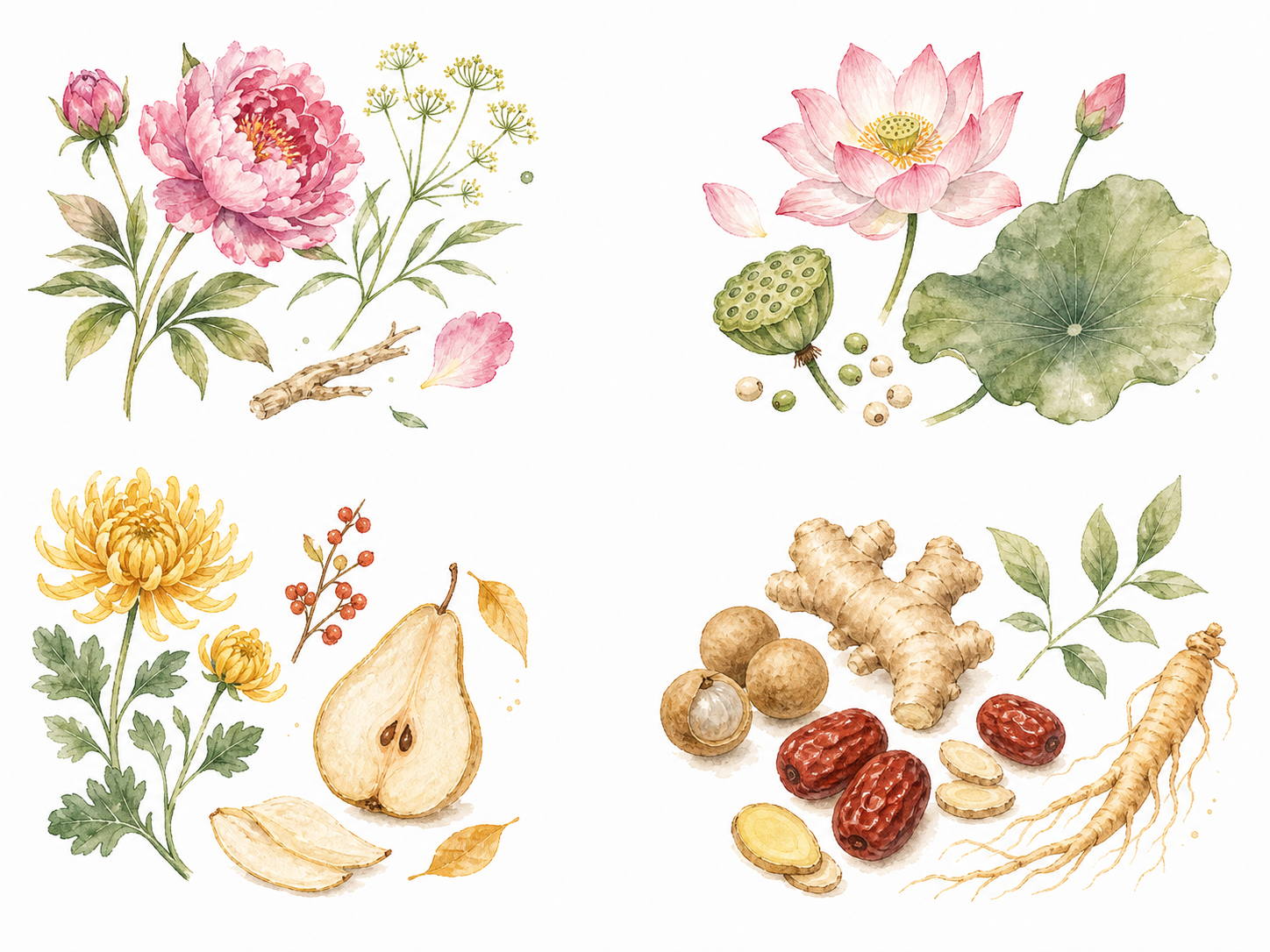
Why seasonal living is central to TCM
Seasonal living is one of the clearest and most attractive ideas in Traditional Chinese Medicine for modern readers. It is easy to understand, visually rich, and deeply practical. Instead of repeating the same routine all year, TCM encourages people to adapt with climate, temperature, dryness, humidity, and the changing movement of the body.
That is why seasonal wellness works so well as a blog topic. It feels more grounded than abstract theory and more useful than generic inspiration.
Spring, summer, autumn, and winter are not interchangeable
Public Chinese health education often explains the seasons in broad energetic language. Spring is linked with growth and gentle outward movement. Summer is linked with heat, activity, and fluid loss. Autumn is linked with dryness and the need to protect moisture. Winter is linked with storage, warmth, and preservation of core vitality.
For a reader in Europe or North America, the exact climate may differ from region to region, but the principle still translates well: your body does not ask for the same foods, drinks, and routines in cold wind, damp heat, and dry autumn air.
What seasonal writing looks like in practice
A good seasonal TCM article should not stay abstract. It should talk about habits. In spring, many TCM sources encourage lighter meals, emotional release, and gentle movement. In summer, they talk more about heat, humidity, and appropriate hydration. In autumn, they often emphasize dryness, throat comfort, and preserving fluids. In winter, they return to warmth, rest, and protection from cold exposure.
This is also why seasonal content resonates with readers. A rotating set of habits feels natural when it is tied to the environment rather than presented as one fixed rule for the entire year.
Why this topic can bring the right visitors
Seasonal wellness is not only educational; it is also one of the most accessible topics in Chinese medicine. People who search for seasonal wellness are often looking for rituals, foods, and habits they can understand and use at home, even if they have never visited a TCM practitioner.
It also gives writers room to build clear topic clusters: spring support, summer humidity, autumn dryness, winter warmth, and the logic of adjusting habits across the year.
Where to be careful
Seasonal wellness articles should still avoid oversimplifying. Not every person in summer has the same pattern. Not every winter problem is solved by warming ingredients. Strong content keeps the principle broad while staying honest about individual variation.
That honesty is part of what makes TCM content useful. It invites readers into observation rather than one rigid rulebook.
Sources in Chinese
Reading note
Education before recommendation.
This article is written as general TCM education and daily lifestyle guidance. It is not medical advice or diagnosis.